Humanitarian Action for Peace and Development Agency (HARPA) prioritizes education as a key driver of social transformation and sustainable development in the communities where it operates. The organization supports access to quality and inclusive education for children, youth, and adults, with a special focus on marginalized and vulnerable groups. HARPA works closely with local schools, community leaders, and government agencies to improve learning environments, enhance teacher capacity, and promote school enrolment and retention. Through community awareness initiatives and provision of learning materials, HARPA ensures that education becomes a pathway to empowerment, peacebuilding, and resilience in the areas it serves.
Education
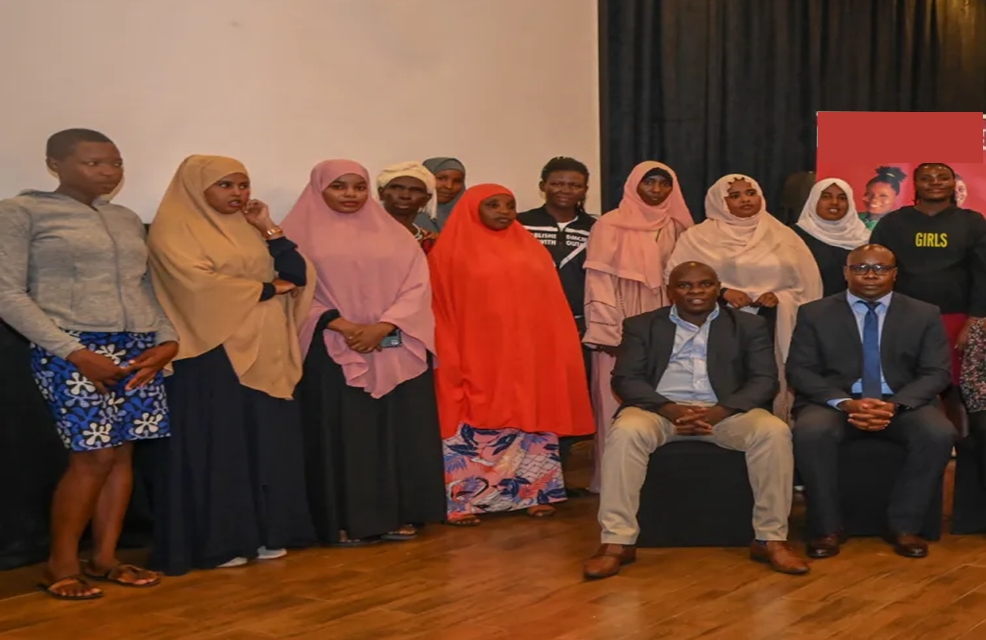
Teachers participate in a capacity-building workshop organized by HARPA to enhance their skills, improve classroom delivery, and promote inclusive and quality education for all learners.
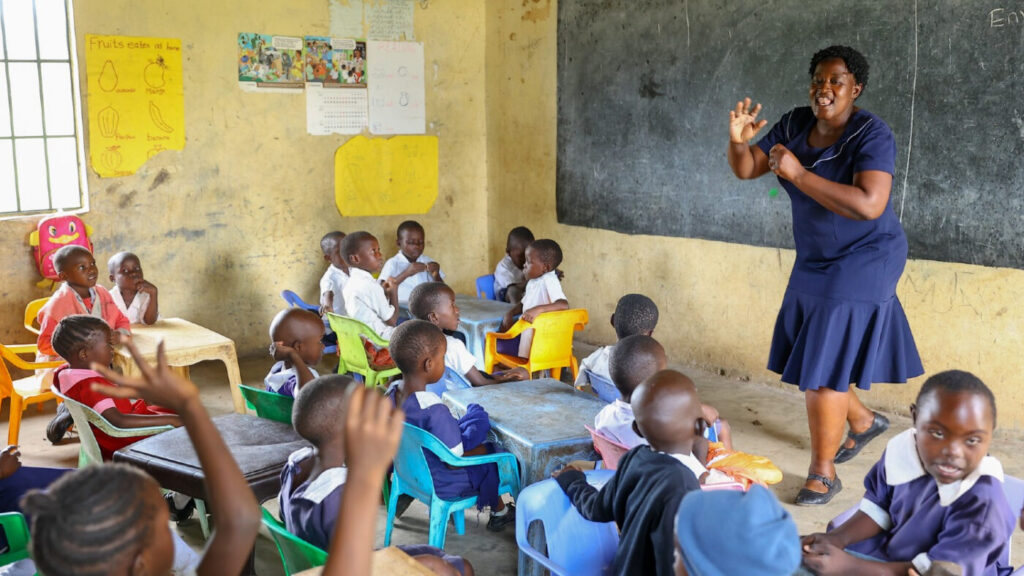
HARPA supports schools through infrastructure improvement projects, creating safe, inclusive, and conducive learning environments/classrooms that empower students and strengthen community education systems.
Humanitarian Action for Peace and Development Agency (HARPA) implements a wide range of education activities across the regions where it operates, with the goal of improving access to quality education, enhancing learning outcomes, and empowering communities through knowledge. HARPA’s education activities focus on promoting inclusive, equitable, and lifelong learning opportunities for all, particularly for children, youth, and women from marginalized and vulnerable backgrounds.
Some of HARPA’s key education activities include:
School Support and Infrastructure Improvement: HARPA works with local authorities and community leaders to rehabilitate and equip schools with learning materials, furniture, and facilities that create safe, child-friendly, and inclusive learning environments.
Teacher Capacity Building: The organization provides training and mentorship programs for teachers to strengthen their teaching skills, improve classroom management, and adopt learner-centered approaches that promote participation and creativity.
Community Sensitization and Enrolment Campaigns: HARPA conducts awareness campaigns that encourage parents and communities to enroll and retain children in school, especially girls and those with disabilities.
Provision of Learning Materials: The agency supports learners with essential materials such as textbooks, stationery, and school uniforms to reduce barriers to education for children from low-income families.
Non-Formal and Vocational Education: HARPA facilitates alternative learning programs and vocational training to equip out-of-school youth and women with practical skills for income generation and self-employment.
School Health and Safety Initiatives: The organization integrates school health education, including hygiene promotion, menstrual health management (MHM), and psychosocial support to ensure that learners study in a safe and supportive environment.