Gender-Based Violence (GBV)
HAPDA addresses Gender-Based Violence (GBV) as a major barrier to equality and community resilience across the Horn of Africa. Rooted in harmful norms and gender inequality, GBV undermines safety and dignity. HAPDA’s approach integrates prevention, survivor-centered support, capacity building, and advocacy. Through awareness campaigns, counseling, legal aid, and safe spaces, survivors receive holistic care. Training for local leaders and service providers strengthens response systems, while livelihood initiatives empower women and girls economically and socially. By partnering with governments and communities, HAPDA promotes accountability, gender justice, and lasting social transformation—ensuring every individual lives free from violence and discrimination.
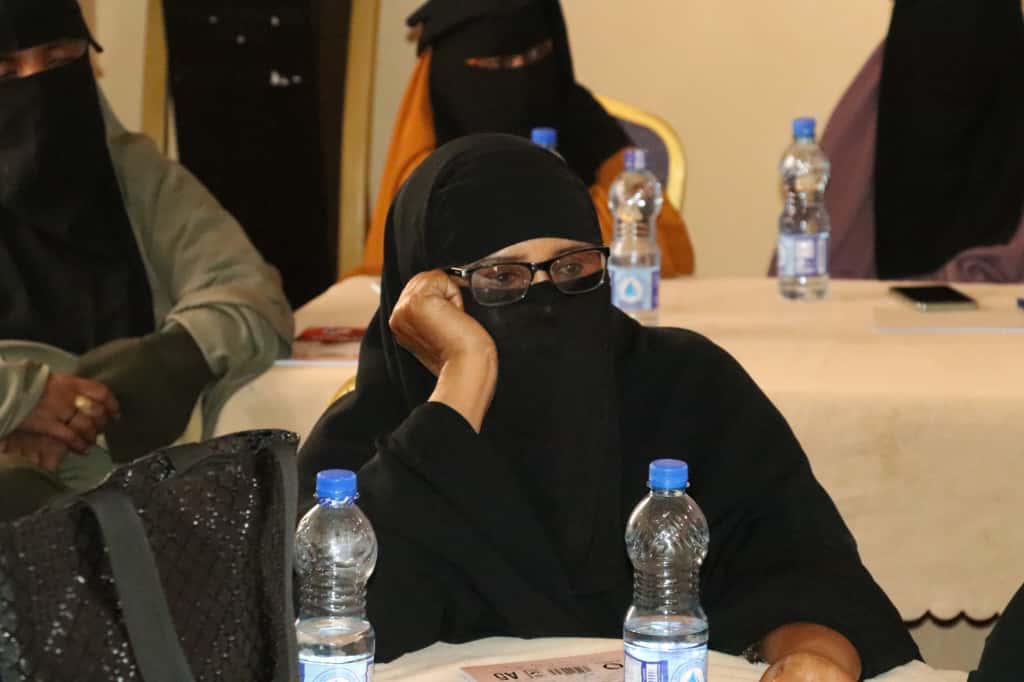
Building stronger systems and skilled responders to create safer communities free from GBV.
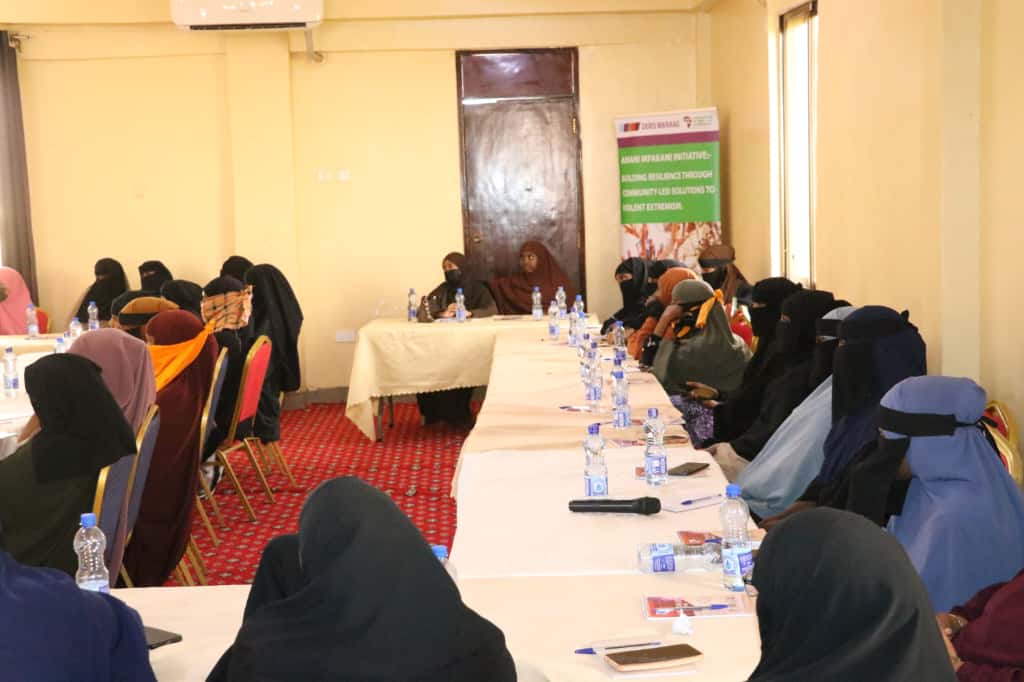
Empowering women through training on awareness and prevention — building knowledge, confidence, and stronger communities for a safer future.
Prevention and Community Awareness:
HAPDA conducts community-based sensitization campaigns to challenge harmful cultural practices, promote positive gender norms, and raise awareness on the rights of women and girls. Using participatory dialogue, radio programs, theatre, and community forums, HAPDA works with traditional leaders, youth, men, and women to foster collective responsibility in preventing violence and discrimination.Survivor-Centered Response and Support Services:
HAPDA ensures that survivors of GBV have access to timely and confidential support. We provide psychosocial counselling, medical referrals, and legal aid through established referral pathways. Our approach prioritizes dignity, safety, and confidentiality, ensuring survivors receive holistic care and long-term reintegration support.Capacity Building and Institutional Strengthening:
We build the capacity of community structures, health workers, local authorities, and law enforcement agencies to identify, manage, and respond to GBV cases ethically and effectively. HAPDA also trains community-based protection committees to monitor GBV risks and coordinate with relevant actors for response.
Women and Girls’ Empowerment:
Recognizing that economic dependence often increases vulnerability to abuse, HAPDA integrates livelihood and skills development programs for women and girls. These initiatives promote financial independence, leadership, and participation in decision-making at household and community levels.Safe Spaces and Protection Mechanisms:
HAPDA establishes safe spaces where women and girls can access psychosocial support, participate in empowerment sessions, and receive life skills training. These spaces serve as hubs for peer support, learning, and information sharing on protection and rights.Advocacy and Policy Engagement:
HAPDA actively engages with government agencies, networks, and coalitions to advocate for the enforcement of gender-related laws and policies. We support the integration of GBV prevention into broader humanitarian and development programs, aligning with national and international frameworks such as the Convention on the Elimination of All Forms of Discrimination Against Women (CEDAW) and the Sustainable Development Goals (SDG 5).
HAPDA promotes the creation of safer, more equitable communities where women, men, girls, and boys can live free from violence and discrimination. Our comprehensive approach links GBV prevention with education, livelihoods, health, and peacebuilding to foster resilience, inclusion, and lasting social transformation across Kenya, Ethiopia, and Somalia.