Water, Sanitation, and Hygiene (WASH) Interventions
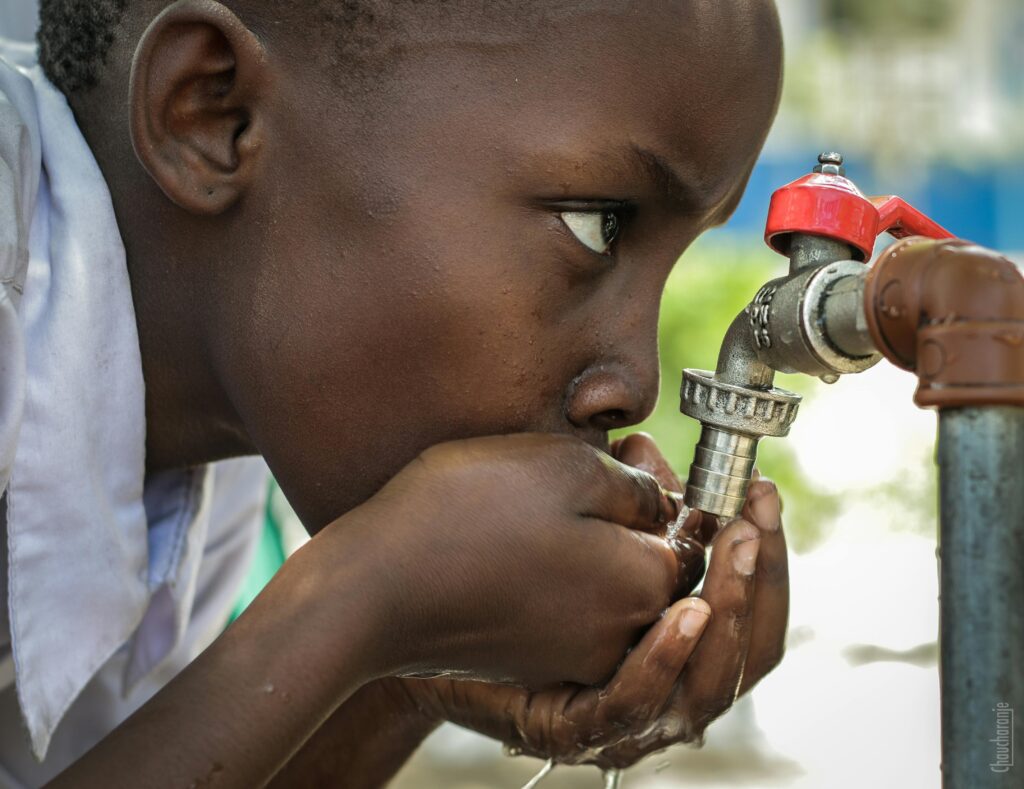
Access to clean water, proper sanitation, and good hygiene practices is fundamental to human dignity, health, and development. In recognition of this, HAPDA implements comprehensive WASH programs aimed at improving community health, reducing waterborne diseases, and strengthening resilience in underserved and crisis-affected regions across Kenya, Ethiopia, and Somalia — with notable impact in Wajir, Mandera, Marsabit, Lamu, Tana River, and Nairobi counties.
Our WASH interventions are guided by community participation, sustainability, and innovation. HAPDA works closely with local authorities, community-based organizations, and development partners to deliver context-specific and lasting solutions.
1. Water Supply and Access
Construction and rehabilitation of water points including boreholes, shallow wells, water pans, and piped water systems to ensure equitable access to safe and reliable water sources for domestic and livestock use.
Installation of solar-powered water systems to promote sustainable and environmentally friendly water supply solutions in arid and semi-arid areas.
Water trucking and emergency distribution during droughts or displacement crises to prevent dehydration and disease outbreaks.
Capacity building of community water user associations for effective operation, maintenance, and governance of water infrastructure.
2. Sanitation Improvement
Construction of gender-sensitive latrines in schools, health facilities, and public spaces to improve dignity, safety, and access—especially for women and girls.
Promotion of Community-Led Total Sanitation (CLTS) approaches that empower communities to eliminate open defecation and maintain clean environments.
Support for waste management and environmental sanitation through community clean-up campaigns and solid waste disposal systems.
3. Hygiene Promotion and Behavior Change
Implementation of hygiene education campaigns focusing on handwashing with soap, menstrual hygiene management, food hygiene, and safe water handling.
Distribution of hygiene kits to vulnerable households, including soap, water containers, and sanitary products.
Training of community health volunteers and hygiene promoters to enhance outreach and peer education in rural and urban communities.
Integration of WASH in schools and health facilities, ensuring safe and clean environments that promote learning and quality healthcare delivery.
4. Emergency WASH Response
Rapid response to droughts, floods, and disease outbreaks such as cholera through timely water treatment, hygiene supplies, and public awareness campaigns.
Coordination with humanitarian clusters and local authorities to ensure effective and harmonized delivery of WASH services during emergencies.
5. Sustainability and Capacity Development
Training of local artisans and technicians in construction and maintenance of WASH facilities.
Incorporation of climate-resilient technologies to ensure long-term water security in fragile ecosystems.
Community empowerment through participatory planning and local ownership of WASH resources to ensure continuity beyond project cycles.